
Overview
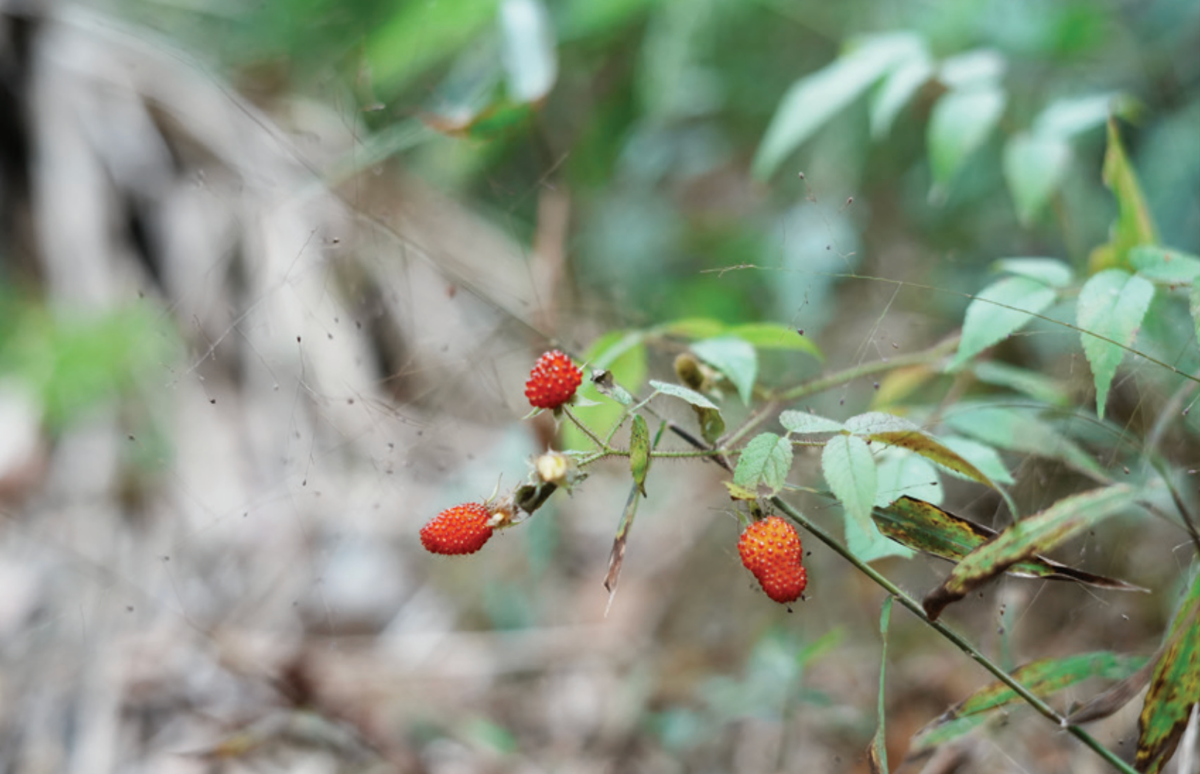
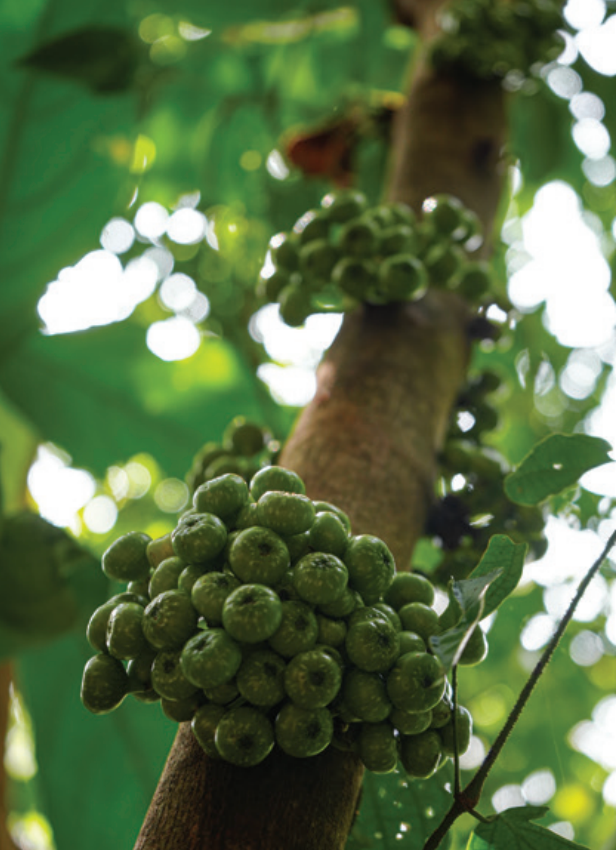
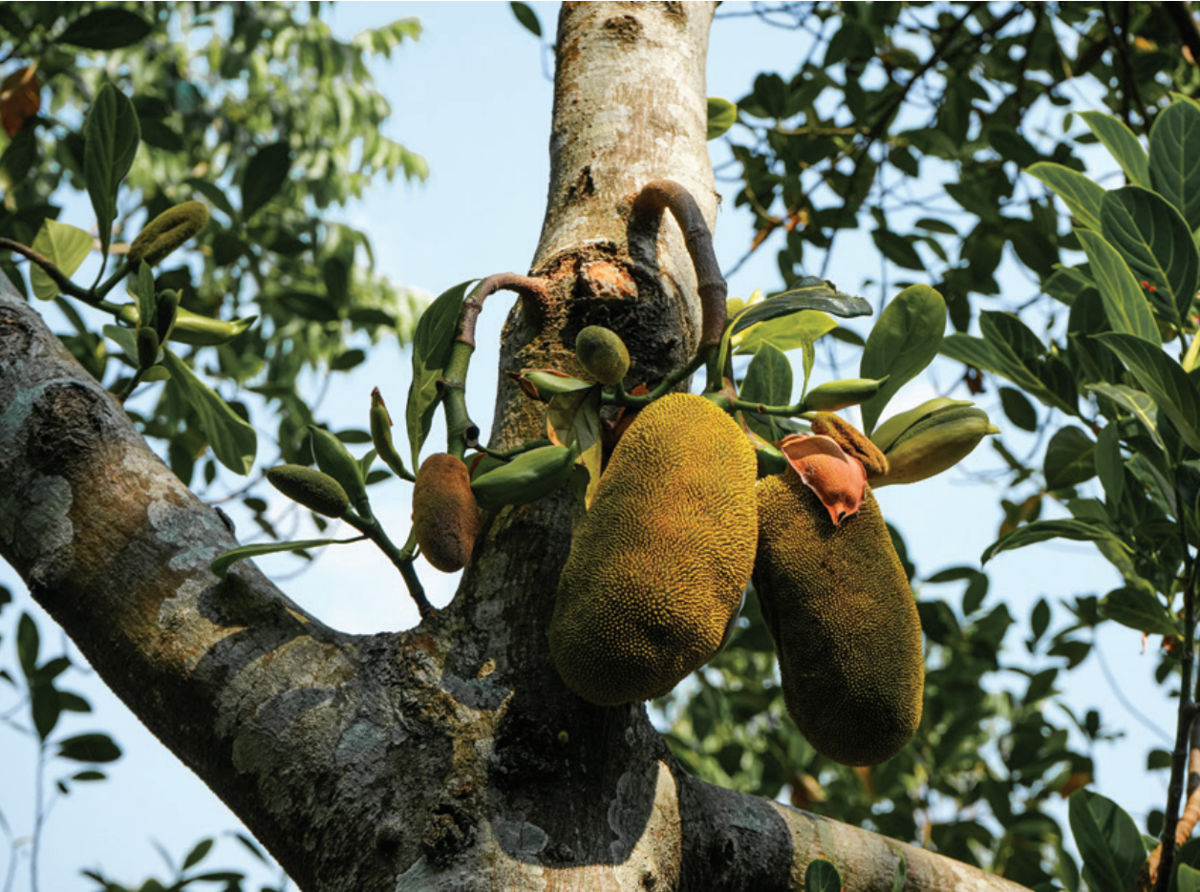
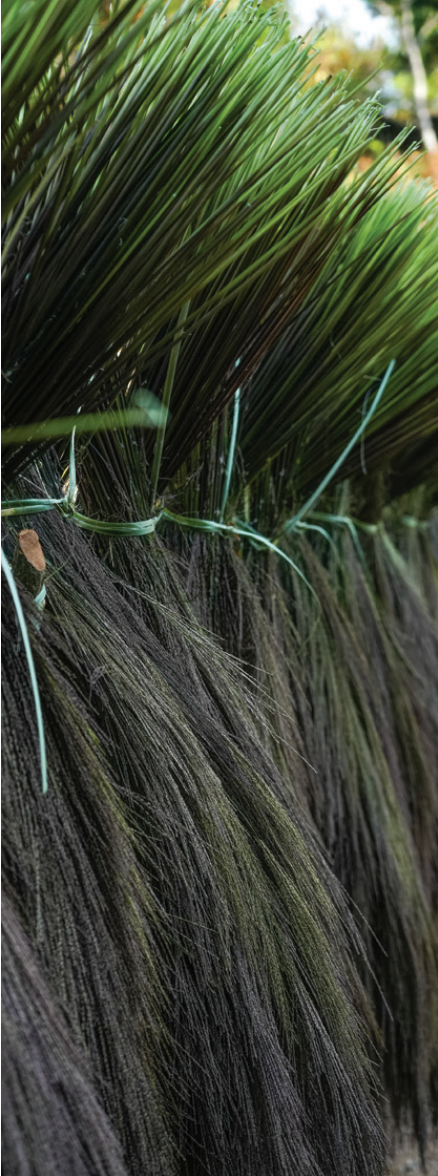
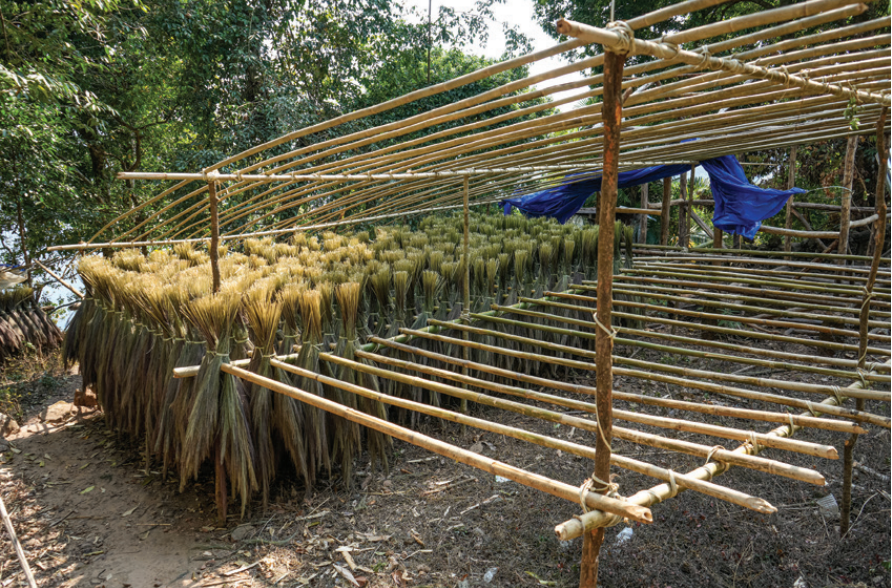
The Week of Wonder Trek is a journey through some of the most unforgettable landscapes and traditions of the East Khasi Hills. Over seven days, the trail combines living root bridges, bamboo walkways, emerald rivers, dramatic ridges, hidden villages, and the musical traditions of Kongthong into one immersive trekking experience. The trek begins with the famous Trail of Thousanders, descending nearly 5,000 steps from Wahlyngkhat to Nongblai. Along the way, trekkers encounter the renowned living root bridges of Meghalaya, extraordinary examples of natural engineering created by Khasi ancestors using the aerial roots of rubber fig trees. Over generations, these roots were guided across streams and strengthened naturally until they became living bridges. From Nongblai, the route continues toward Wahkhen through lush forests and cultivated hillsides filled with broom grass, fruit trees, medicinal herbs, and spices. Wahkhen also serves as the gateway to the Bamboo Trail leading to Mawryngkhang, the King of the Rocks. This optional adventure features bamboo bridges and ladders anchored onto steep cliffs and rock faces, creating one of the most unique trekking experiences in Meghalaya. The trail eventually reaches Kongthong, famous for the tradition of jingrwai ïawbei, or the Mother’s Love Song. Instead of simply calling children by name, mothers compose unique melodies for them. At dusk, the village fills with whistles and songs as families call their children home. From Kongthong, trekkers descend through dense vegetation toward Mawsohmad before finally reaching the Wahkarat River, known for its clear emerald-green waters. After crossing the river, the final ascent leads to Lyndem, concluding a week filled with rivers, forests, traditions, music, and breathtaking landscapes. The villages along the route cultivate broom grass, a defining feature of Khasi culture, along with oranges, bananas, pineapples, and jackfruits. Wildlife in the region may include flying squirrels, foxes, barking deer, and clouded leopards. Trekkers should also watch out for the ñiangbei insect, known for creating quicksand-like traps. Kongthong is known for locally produced oranges and pure honey collected by village beekeepers. Wahkhen also houses a musical school showcasing traditional Khasi instruments, though it is open only on Sundays. Visitors should note that tourists are not allowed to roam around Kongthong village after 10 PM.
Trail Route Overview
The trek begins at Wahlyngkhat and descends to Nongblai through the Trail of Thousanders. From Nongblai, trekkers climb toward Wahkhen before continuing to Kongthong. An optional Bamboo Trail excursion leads to Mawryngkhang, the King of the Rocks. The journey then descends to Mawsohmad and the Wahkarat River before concluding with a steep climb to Lyndem.

Detailed Itinerary
Wahlyngkhat to Nongblai
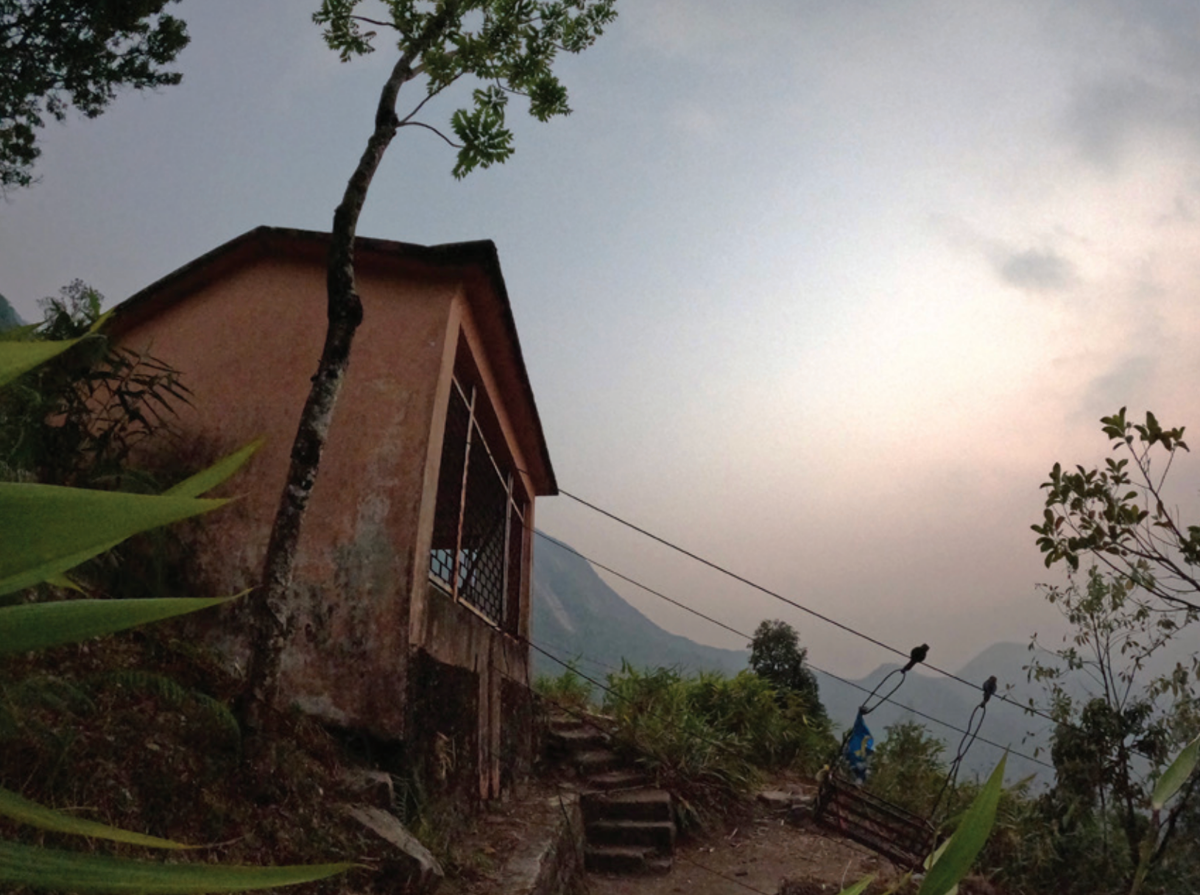
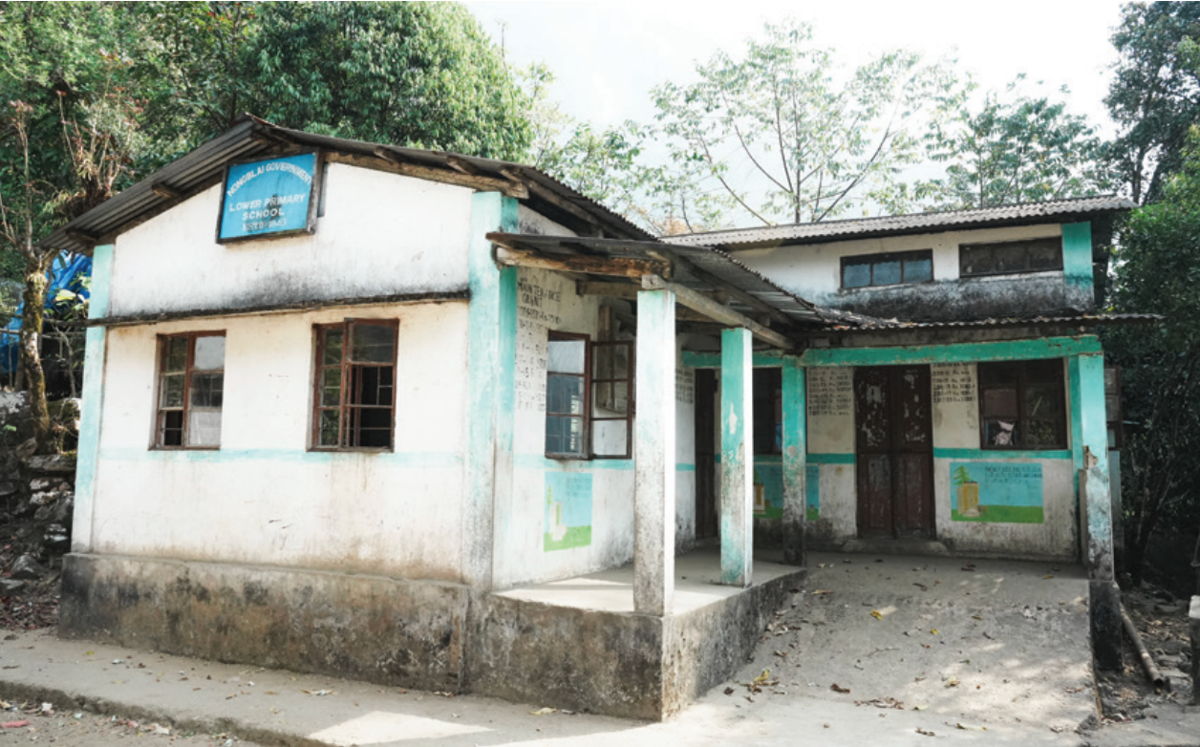
Begin the journey with a drive from Shillong to Wahlyngkhat, a village located a short distance from the main road. The village is often quiet during the day as most adults leave early for agricultural work. From Wahlyngkhat, the trail descends steeply toward Nongblai with three resting points along the route. Near the third rest stop, trekkers can spot a ropeway used by villagers to transport food and supplies across the valley.
Exploring Nongblai
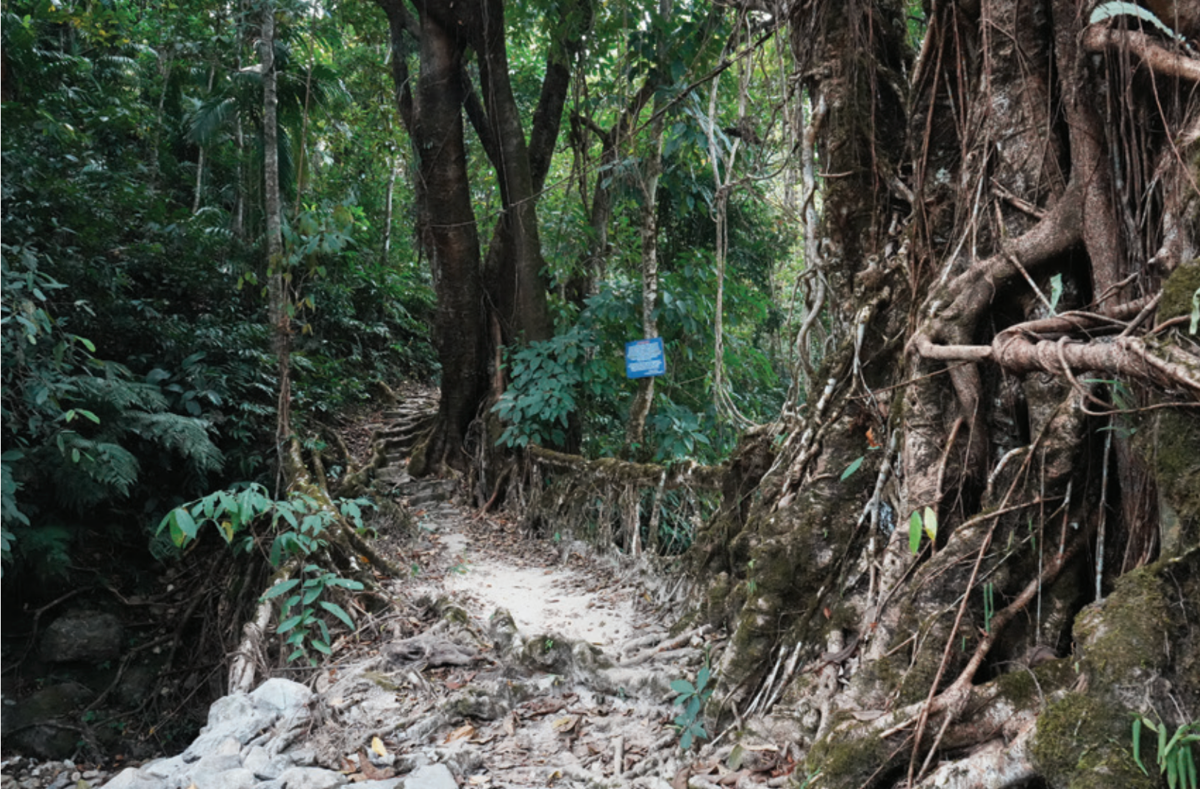
Spend the day exploring the living root bridges surrounding Nongblai. The number of bridges visited and total distance covered depends on the chosen route. The rivers flowing beneath these bridges provide peaceful resting spots, while the terraced homes built into the hillsides offer insight into traditional Khasi settlement patterns.


Nongblai to Wahkhen
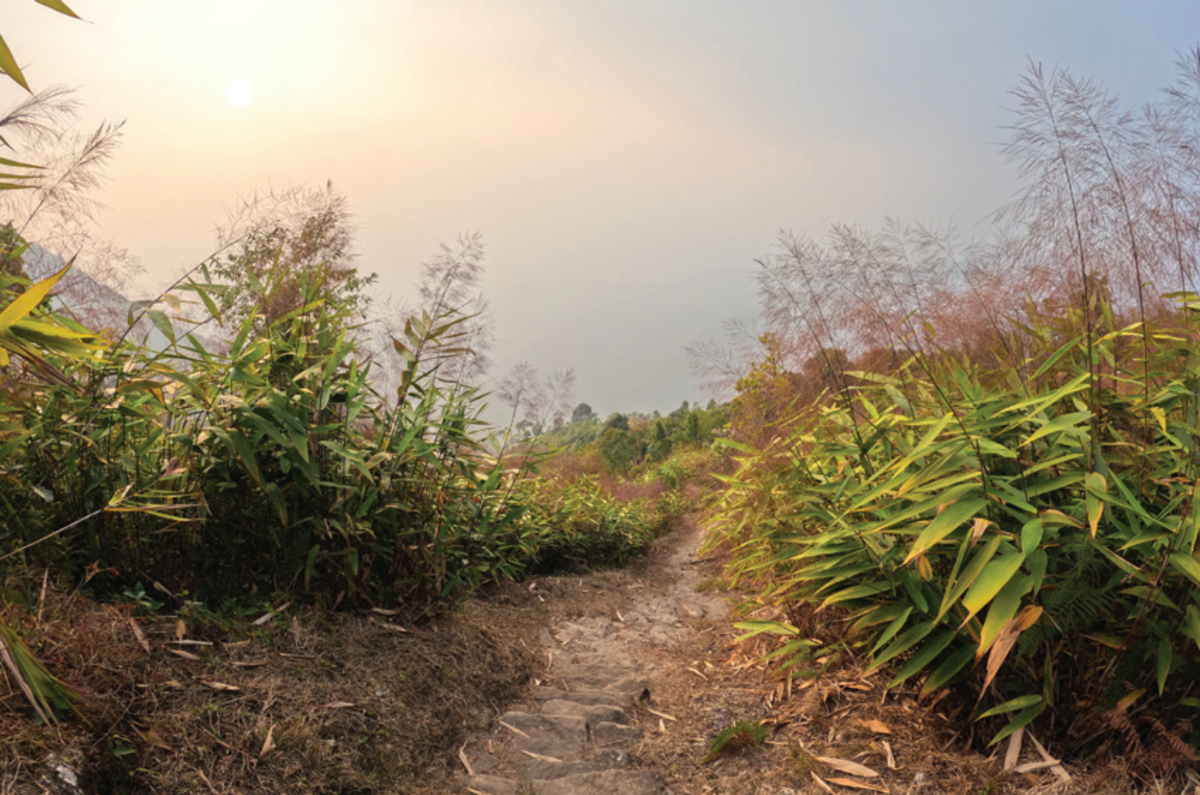
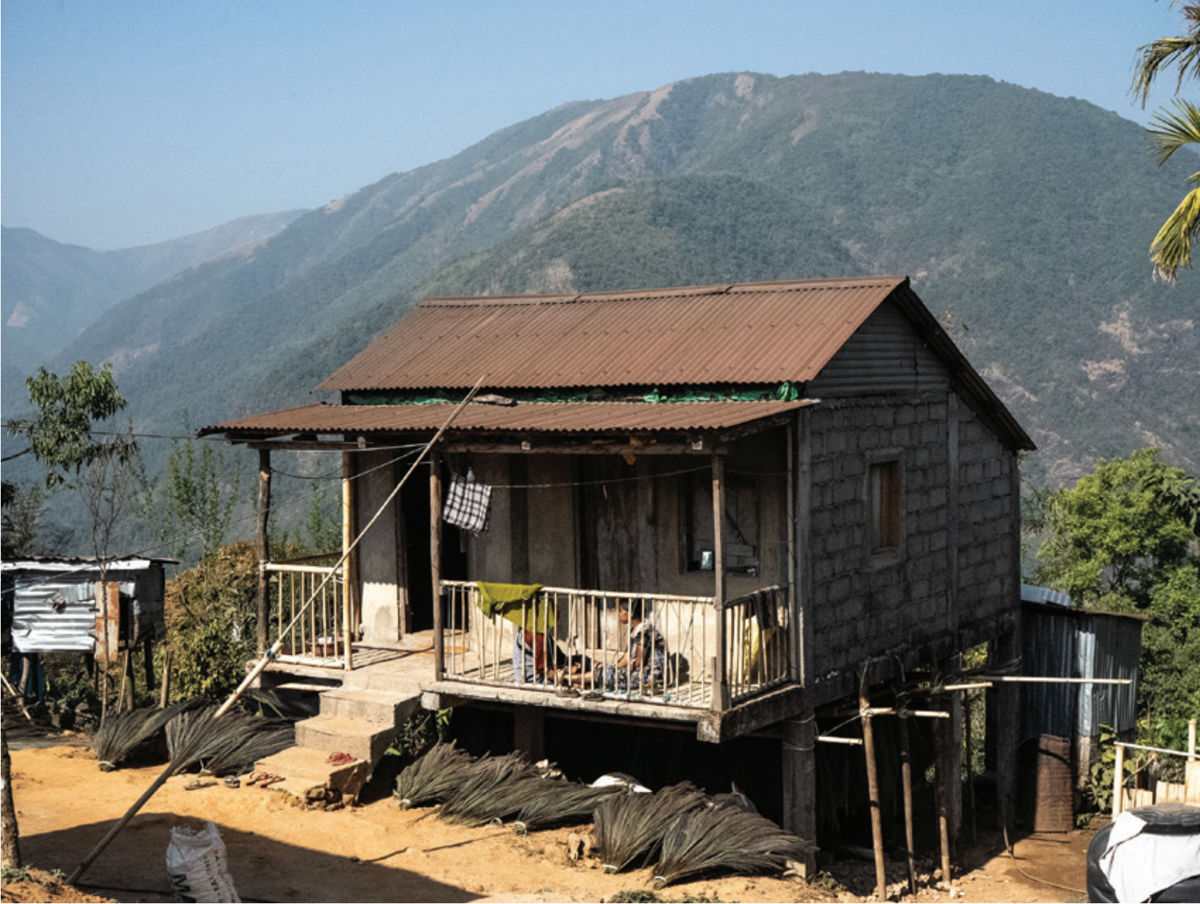
The trail gradually climbs from Nongblai to Wahkhen through dense forests and cultivated hillsides. Wahkhen sits on a ridge and offers road access along with small tea shops and food stalls where trekkers can rest before the adventures ahead.

Mawryngkhang Bamboo Trail
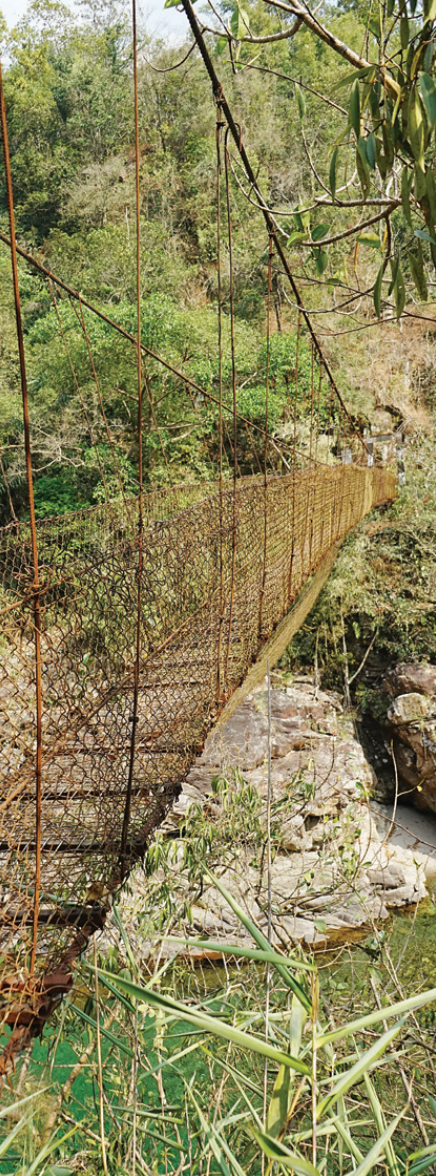
Trekkers can choose to take an optional excursion to Mawryngkhang, the King of the Rocks, via the Bamboo Trail. Bamboo bridges and ladders attached to steep rock faces create an unforgettable trekking experience with panoramic valley views. The route is carefully maintained by the local village council to ensure safety while navigating cliffs, ladders, and suspended walkways.

Wahkhen to Kongthong
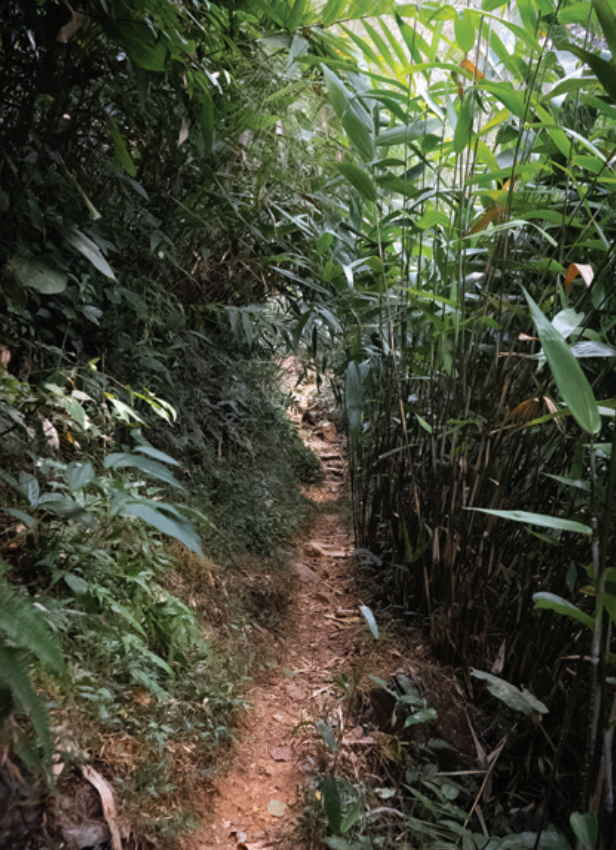
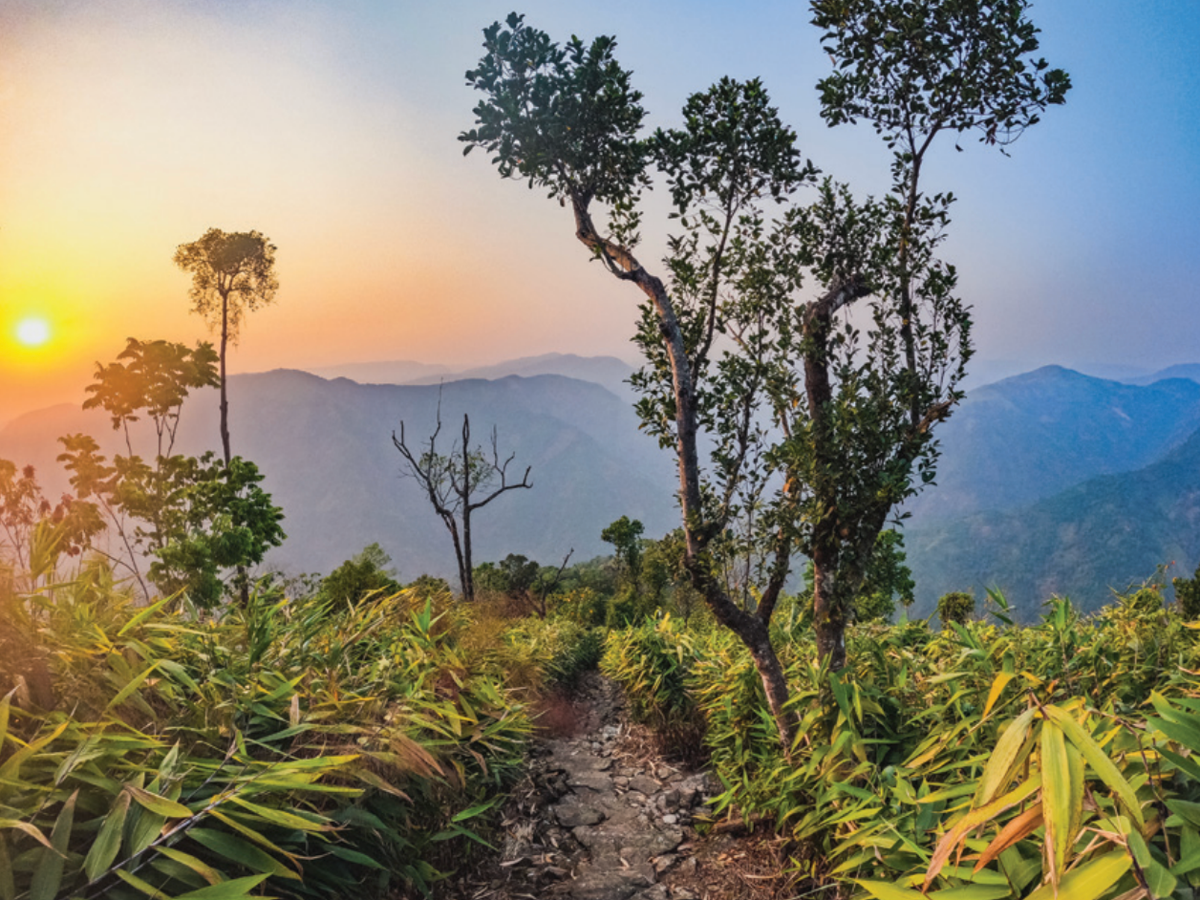
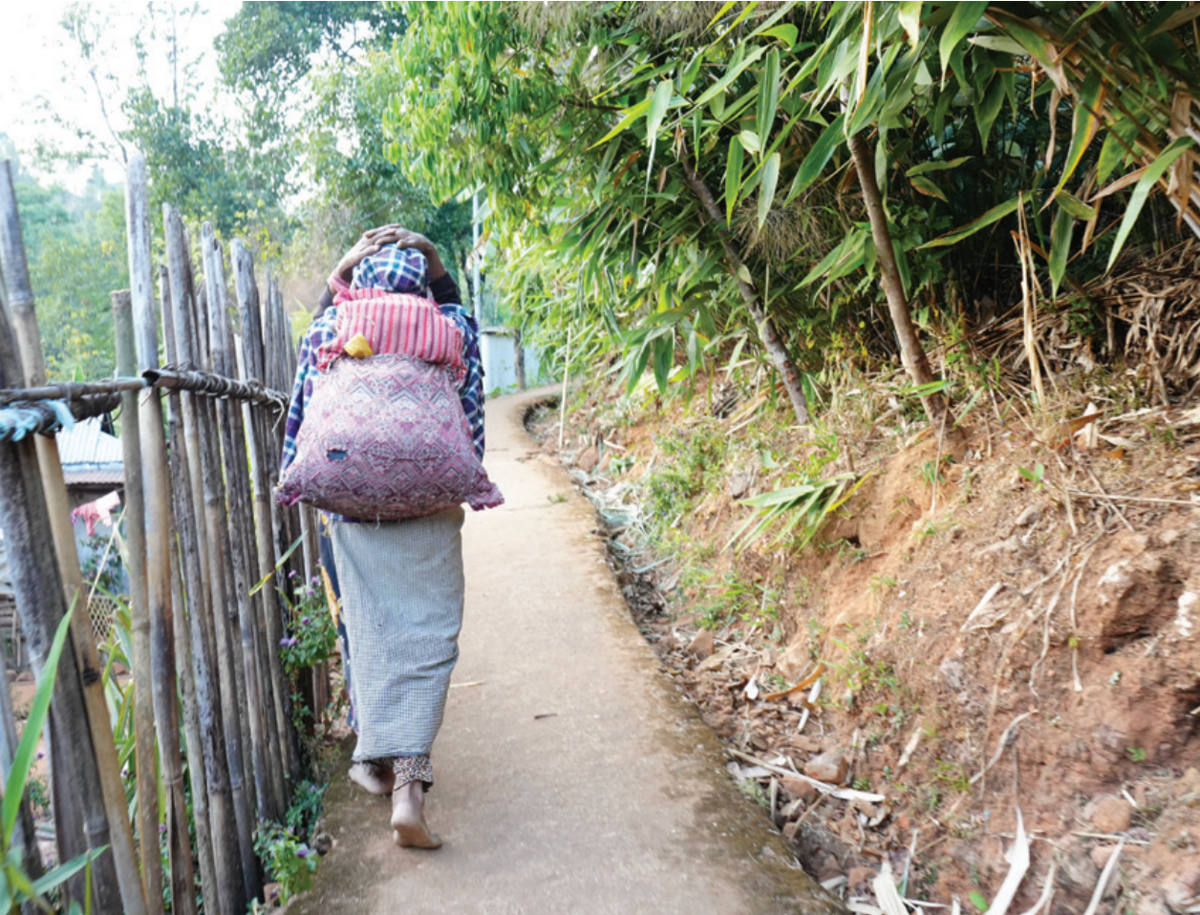
After leaving Wahkhen, trekkers climb toward Kongthong along steep ridge trails with breathtaking views across the East Khasi Hills. Arriving in Kongthong by dusk allows trekkers to witness the magical atmosphere created by jingrwai ïawbei as melodies echo across the village while families call their children home.
Kongthong to Mawsohmad
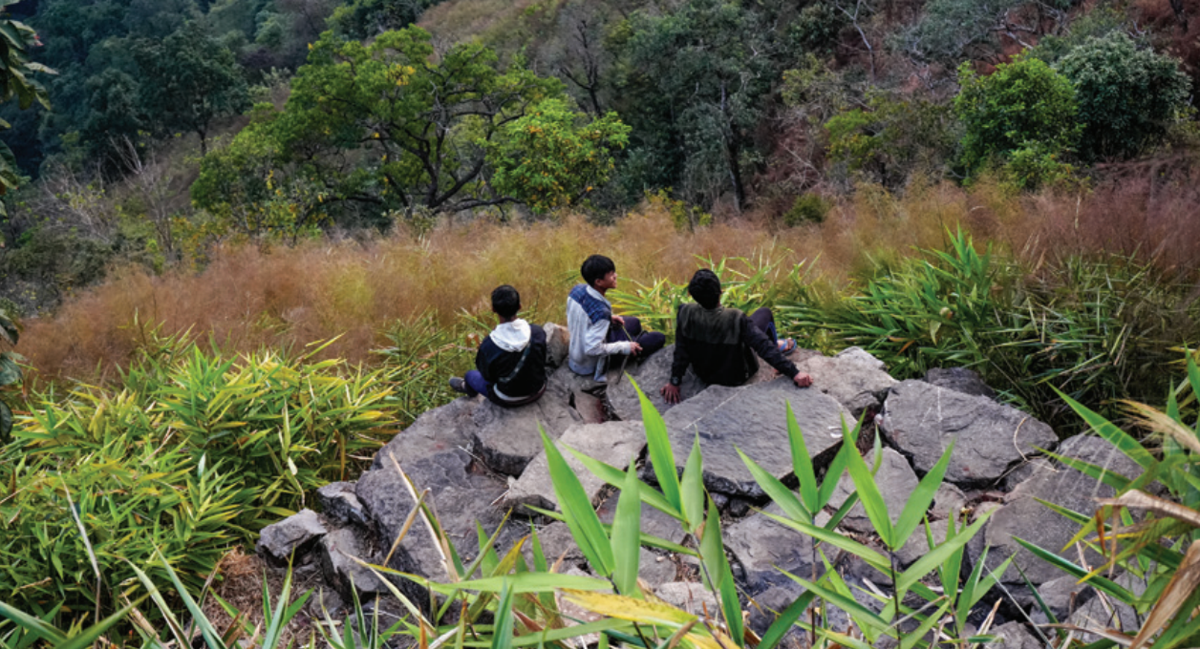
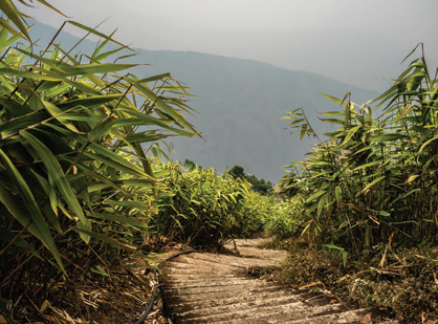
Today's route descends gradually through dense vegetation and scenic forest trails. A viewpoint near Kongthong offers an excellent resting spot overlooking the surrounding valleys before continuing onward to Mawsohmad.
Mawsohmad to Lyndem
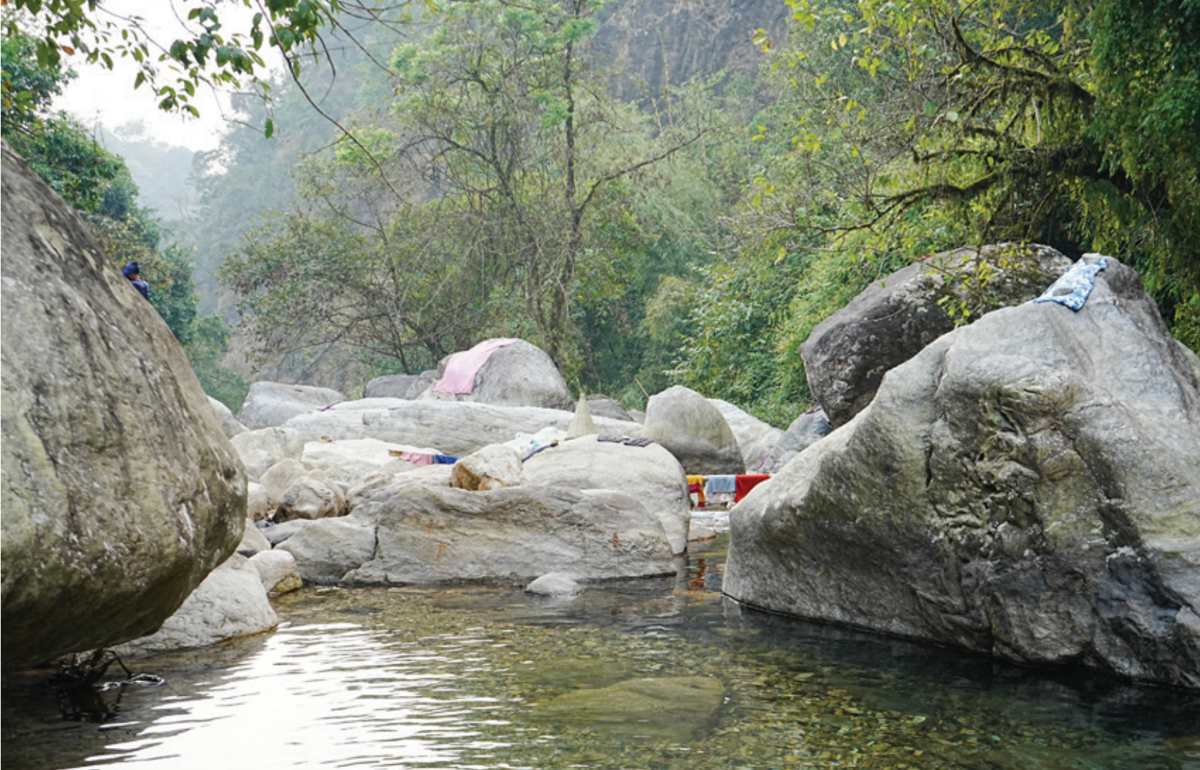
From Mawsohmad, the trail descends steeply toward the Wahkarat River. Trekkers can rest by the riverside camp and, if conditions permit, take a refreshing dip in the emerald waters. After crossing the river, the final ascent begins toward Lyndem, where trekkers spend their final night on the trail.
Lyndem to Shillong
After breakfast, depart from Lyndem and return to Shillong by road.


Explore Other Trails
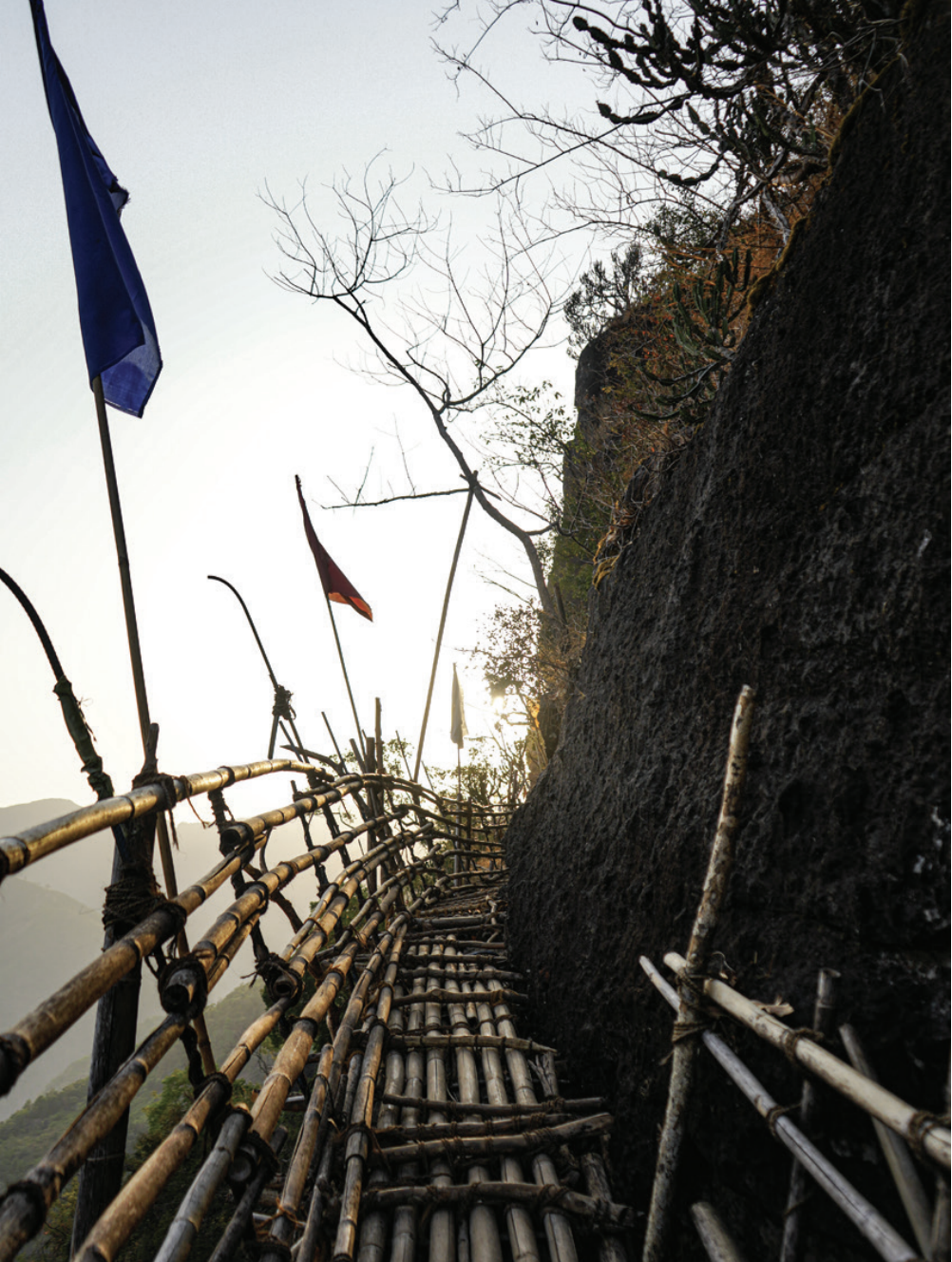
The Bridge to Memories Trek
5 Days / 4 NightsWahlyngkhat → Nongblai → Wahkhen → Mawryngkhang → Kongthong
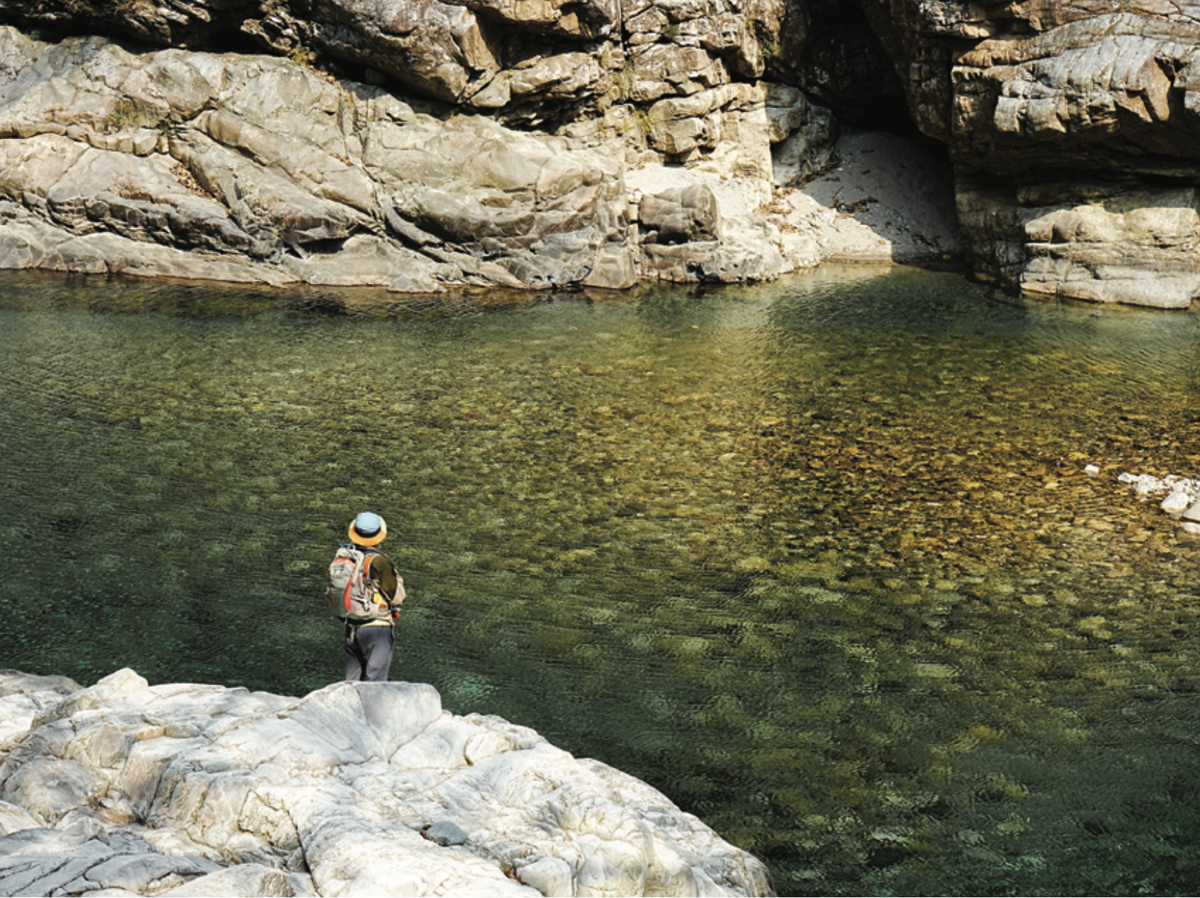
The Whistling Village Trek
3 Days / 2 NightsLyndem → Wahkarat River → Mawsohmad → Kongthong
The Green River Trek
3 Days / 2 NightsKutmadan → Sohkhmi → Suktia